
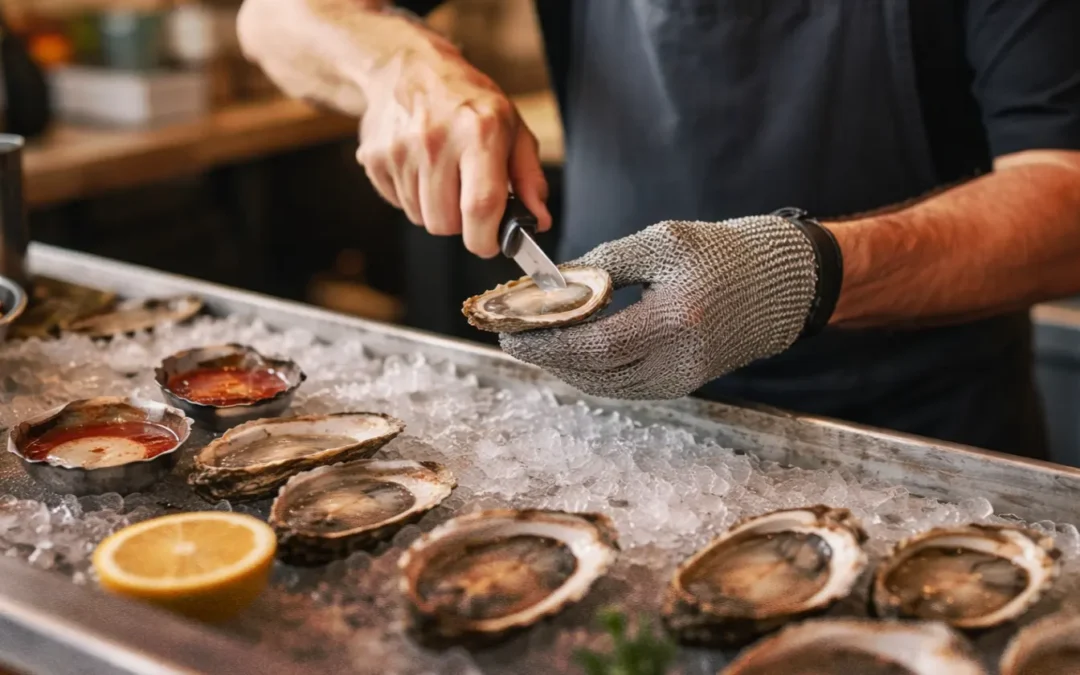
If you’ve ever sat at a raw bar and watched someone shuck oysters, it looks almost effortless. The way restaurants shuck oysters is built around speed, consistency, and safety — and there’s a lot home cooks can learn from that process.
Oyster after oyster opens in a smooth rhythm. No hesitation. No wrestling with the shell. Just a quick twist, a clean separation, and the oyster lands perfectly in the tray. What most people don’t see is that this speed comes from two things working together: experience… and systems.
Professional kitchens don’t rely on luck when it comes to oyster shucking. They rely on repeatable setups that reduce risk and keep the process consistent, even during a busy dinner rush.
And those same ideas translate surprisingly well to home kitchens. If you’re new to opening oysters at home, you might also want to read, The Safest Way to Shuck Oysters at Home, which walks through the basic process step by step.
How Restaurants Shuck Oysters Safely During Service
In a restaurant environment, oyster shucking happens fast. A raw bar might open hundreds of oysters in a single night. During peak hours, there’s constant pressure to keep plates moving. But here’s something most people don’t realize: restaurant kitchens take oyster safety very seriously.
A hand injury in the middle of service doesn’t just slow things down — it can shut down the entire station. That’s why professional kitchens train their staff to focus on three things:
- stable positioning
- controlled pressure
- consistent technique
If those three things are in place, speed follows naturally.
The Hidden Tool Most People Don’t Think About
When people picture oyster shucking, they imagine the knife. But in professional kitchens, the knife is only one part of the setup. The real key is stability.
Experienced shuckers don’t hold a loose oyster in their palm and wrestle with it. They stabilize it — either with a towel, a glove, or a secure work surface — so the shell doesn’t move while the hinge is opened.
This stability reduces strain and dramatically lowers the chance of slips. It also makes the motion repeatable. Once you’ve seen someone open dozens of oysters in a row, you realize the movement is almost identical every time.
That’s not luck. That’s a controlled setup.
Why Home Cooks Struggle With Oysters
In a restaurant, oyster shucking happens in a controlled workspace. At home, it often happens during a relaxed evening with friends — sometimes with wine or cocktails involved. The atmosphere is part of the fun, but it also means the process benefits from tools and setups that reduce strain and guesswork.
At home, someone pulls a bag of oysters from the fridge, grabs a knife, and starts experimenting with the hinge. The oyster shifts in the hand. The angle feels awkward. The pressure builds. Then the moment everyone recognizes happens — the hesitation. “Am I about to stab myself?” That hesitation is what slows most home cooks down.
It’s not a lack of strength. It’s uncertainty about control.
What Home Hosts Can Borrow From Restaurant Technique
You don’t need a commercial kitchen to borrow the best parts of professional oyster shucking. The principles are simple.
1. Stabilize the oyster
Restaurants avoid free-floating oysters. The shell needs to stay put while pressure is applied. Professional seafood training programs often emphasize this same principle of stabilization and controlled pressure when teaching oyster shucking techniques.
At home, this usually means:
- a folded towel
- a protective glove
- or a dedicated shucking setup
The goal is always the same: eliminate movement.
2. Apply controlled pressure
Professional shuckers don’t force the shell open with brute strength. They use steady leverage and let the hinge give naturally.
When the oyster is stabilized properly, the hinge usually pops with far less effort than people expect.
3. Keep the motion consistent
Once the setup is stable, the movement becomes repeatable.
That’s why experienced raw bar staff can move so quickly — they’re repeating the same controlled motion again and again.
Why Some Restaurants Use Mechanical Shuckers
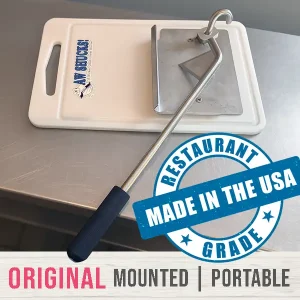
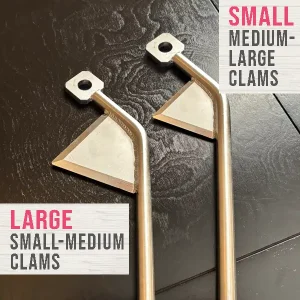
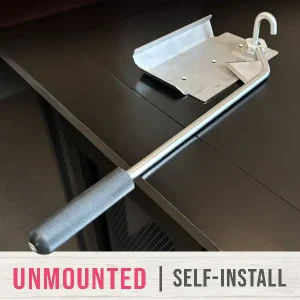
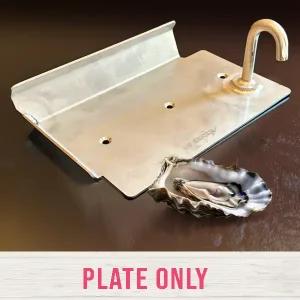
While many raw bars still use knives, some seafood operations — especially high-volume environments — use mechanical oyster shuckers. These tools secure the oyster and apply pressure in a controlled way.
The advantages are obvious:
- less strain on the wrist
- consistent pressure every time
- reduced chance of slips
- faster learning curve for new staff
For restaurants opening hundreds of oysters per shift, that kind of consistency can make a big difference.
The same logic is why many home cooks have started exploring mechanical oyster shuckers as well — especially when entertaining.
Final Thought: The Takeaway for Home Kitchens
Restaurant kitchens aren’t magical. They’re just organized around repeatable systems that reduce friction. Watching how restaurants shuck oysters reveals that the process is less about force and more about stability and technique.
If you apply the same mindset at home — stabilize the oyster, control the pressure, and keep the motion consistent — oyster shucking becomes much easier than most people expect. And once the process feels predictable, the experience becomes what it’s supposed to be:
relaxed.
Which is exactly how opening oysters should feel when friends are gathered around the table.
Related articles
- Oyster Shucker vs Oyster Knife: Which Is Safer and Faster?
- What to Get the Man Who Has Everything
- The Safest Way to Shuck Oysters at Home
- Valentine’s Day Gift Ideas for Men Who Love Food
- Hosting an Oyster Night at Home: A Simple Guide