

If the idea of hosting an oyster night makes you hesitate, you’re not alone.
You’re probably thinking about a few things all at once:
What if I mess it up?
What if someone gets hurt?
What if this turns into more work than it’s worth?
That anxiety is exactly why most people keep oysters as a “restaurant-only” thing — even though they love them.
Here’s the good news: an oyster night at home can be one of the easiest, most relaxed gatherings you host — if you approach it the right way.
And when you do, you don’t just pull it off…
You look like you really know what you’re doing.
Why Oyster Nights Feel Harder Than They Are
Oysters carry a reputation. They feel:
- Fancy
- Fragile
- Slightly dangerous
- Easy to screw up
But the reality is simpler. Oysters themselves aren’t difficult — the setup is what makes or breaks the night.
When the setup feels risky or chaotic, everyone tenses up. When it feels controlled and calm, the night flows.
Your job as the host isn’t to impress — it’s to remove friction. But they’ll be impressed just the same as you make the impossible look easy and fun.
The Shift That Makes You the Hero
A great oyster night doesn’t come from knowing more.
It comes from eliminating the two things that derail the evening:
Stress and safety concerns
When guests see oysters being opened smoothly and confidently, something changes. Conversation picks up. People relax. Someone asks to try to open one.
That’s the moment you want.
What You Actually Need (and What You Don’t)
You don’t need a production. You need a few smart decisions.
The essentials
- Fresh oysters from a trusted source
- A stable surface
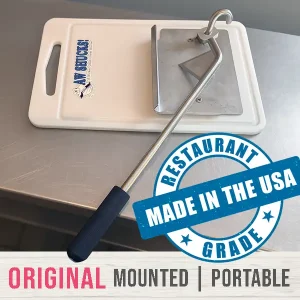
- A safe, purpose-built oyster opener
- A thick towel or glove
- Ice or a chilled tray
- Small bowls for shells and accompaniments
That’s enough.
You don’t need:
- Fancy platters
- Complicated sauces
- A long guest list
- Or a lesson in oyster taxonomy
Keep the focus where it belongs — on the experience.
Safety Is the Difference Between “Nice Idea” and “Great Night”
This is where most people quietly bail.
Traditional oyster knives slip. Hands get tired. One close call is enough to make the night feel tense.
The fix isn’t bravado — it’s choosing a tool designed to keep hands out of harm’s way.
Using a mechanical oyster shucker instead of a knife:
- Keeps the oyster stable
- Applies controlled pressure
- Reduces slips and injuries
- Makes the process predictable
When safety is handled upfront, nobody’s watching nervously. They’re watching because they’re interested.
Setting the Tone (Without Overthinking It)
An oyster night works best when it feels intentional but unforced.
A few simple guidelines:
- Keep the guest list small (4–6 people)
- Use soft lighting
- Put everything within reach
- Let people gather around one surface
If your kitchen island or table becomes the natural center, you’re doing it right.
This isn’t a dinner party. It’s a shared moment.
What to Serve Alongside the Oysters
Less is more here.
Stick with:
- Lemon wedges
- A simple mignonette
- Crusty bread or crackers
- Champagne, white wine, or cold beer
Avoid heavy sides or complicated pairings. Oysters should set the pace, not compete for attention.
Let the Night Unfold on Its Own
Once the first few oysters are opened cleanly, your job is mostly done.
Someone pours another drink.
Someone asks where you got the oysters.
Someone lingers longer than planned.
That’s success.
You didn’t manage the night — you enabled it.
A Simple Hosting Rule Worth Remembering
If your guests say: “That was easier than I expected.”
You nailed it.
Ease is what people remember.
Confidence is what they talk about later.
Final Thought
Hosting an oyster night at home isn’t about being fancy or fearless.
It’s about creating a relaxed environment where good food feels approachable and safe — and where you look calm because everything actually is.
Get the setup right, remove the stress points, and let the night do the rest.
Related articles
- What to Get the Man Who Has Everything
- The Safest Way to Shuck Oysters at Home
- Valentine’s Day Gift Ideas for Men Who Love Food