

Shucking oysters at home should be enjoyable — not stressful, dangerous, or painful.
Yet for many people, the idea of opening oysters brings up the same concerns: slipping knives, bloody hands, and stories of ER visits that start with, “I was just trying to open an oyster.”
The good news?
There is a safe way to shuck oysters at home — and it doesn’t involve brute force or risking your hands.
Why Oyster Knife Injuries Are So Common
Traditional oyster shucking relies on a sharp knife, leverage, and hand strength. That combination is exactly why injuries happen.
The most common causes of oyster shucking injuries:
- Knife slipping when the hinge resists
- Oysters shifting unexpectedly
- Applying too much force in the wrong direction
- Hands positioned directly in the knife’s path
- Wet surfaces and poor grip
Even experienced home cooks can get injured — especially when shucking multiple oysters in a row.
Is There a Safe Way to Shuck Oysters at Home?
 Yes — but it requires changing the method, not just “being more careful.”
The safest way to shuck oysters at home removes:
- Exposed blades
- Hand-to-knife contact
- The need for excessive force
This is why professional kitchens and oyster bars increasingly rely on mechanical oyster shuckers instead of knives.
Why Mechanical Oyster Shuckers Are Safer Than Knives
A mechanical oyster shucker works by securing the oyster and applying controlled pressure — not stabbing or prying.
Key safety advantages:
- No blade moving toward your hand
- Oyster is held in a fixed position
- Controlled leverage instead of brute force
- Consistent results, oyster after oyster
- In other words, the tool does the work — not your hands.
The Safest Method: Mechanical Shucking vs Traditional Knife
Oyster Knife Method (Higher Risk)
- Blade can slip suddenly
- Requires hand strength and precision
- Common cause of cuts and puncture wounds
- Higher injury risk for beginners
Mechanical Oyster Shucker (Lowest Risk)
- Hands stay away from sharp edges
- Oyster remains stable
- Minimal force required
- Repeatable, predictable motion
This is why mechanical shuckers are considered the safest oyster shucking option for home use.
How Restaurants Shuck Oysters Safely and Efficiently
In restaurant environments, speed and safety both matter. Staff can’t afford injuries — and downtime is expensive.
That’s why many restaurants use restaurant-grade mechanical oyster shuckers:
- Faster service
- Fewer injuries
- Consistent results
- Less training required
Home cooks benefit from the same advantages — without needing professional knife skills.
What to Look for in a Safe Oyster Shucker for Home Use
If safety is your priority, look for a tool that offers:
- Secure oyster positioning
- No exposed blade near hands
- Heavy-duty construction (won’t flex or slip)
- Stable base or mounting option
- Designed specifically for oysters (not a generic tool)
Avoid novelty gadgets or cheap, lightweight designs — they often introduce new risks.
Why the Aw Shucks Oyster Shucker Is Designed for Safety
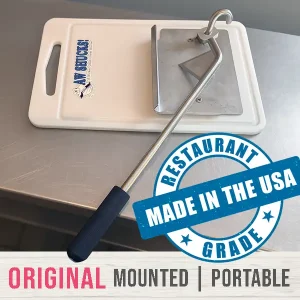
 The Aw Shucks Wicked Good Oyster Shucker was designed to eliminate the most common causes of oyster shucking injuries.
Safety-focused features include:
- No knife required
- Controlled mechanical pressure
- Solid 316 stainless steel construction
- Stable, secure oyster positioning
- Trusted by professionals and home cooks alike
Instead of fighting the oyster, you guide the process — safely.
👉 View the Aw Shucks Oyster Shucker
Is Shucking Oysters at Home Safe for Beginners?
Yes — with the right tool.
Beginners are actually more likely to get injured using a knife because they:
- Apply uneven pressure
- Don’t know how much force is required
- React poorly when an oyster suddenly gives way
Mechanical shuckers remove those variables, making oyster shucking approachable even for first-timers. Additionally, hand sanitizing is very important according to the CDC’s seafood safety guidelines.
Final Thoughts: Safety Should Come First
Shucking oysters should be about good food, good company, and confidence — not fear of injury.
If you want the safest way to shuck oysters at home, skip the knife and choose a method designed to protect your hands.
A well-made, mechanical oyster shucker doesn’t just make the job easier — it makes it safer.
FAQs
What is the safest way to shuck oysters at home?
Using a mechanical oyster shucker that secures the oyster and eliminates blade slips.
Are oyster knives dangerous?
They can be. Most oyster shucking injuries come from knife slips and improper hand placement.
Do professional kitchens use oyster knives?
Many use mechanical shuckers for safety, speed, and consistency.
Is a mechanical oyster shucker good for beginners?
Yes. It removes the skill and risk involved with knife-based shucking.